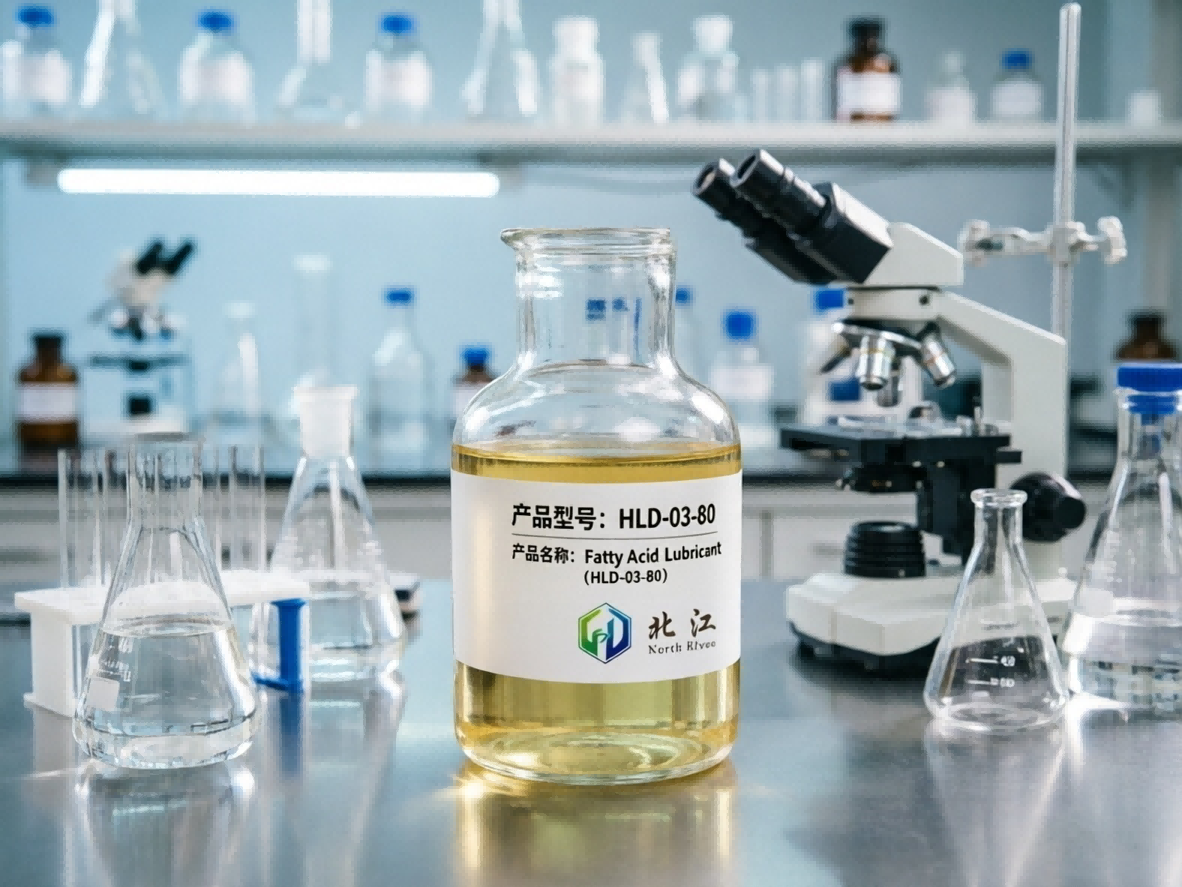
Beginning such inquiry regarding Altered Crop Oleic Acid (ESO)
{Rising worries regarding standard agents exhibit sparked our pursuit in effective alternatives. Oxidized soybean fat (ESO) arises as a hopeful option. Obtained from a green source, ESO provides a significant decrease in reliance on fossil fuels and contributes to a amplified closed-loop economy. Furthermore, ESO offers remarkable adaptability and consistency to assorted elastomeric materials, supporting it a ideal possibility for a expansive variety of uses.
Low-Odor Medical-Grade Category ESBO: Achieving Rigorous Needs
Latest development of low-odor medical grade ESBOs represents a important advance in patient care and peace. Traditional ESBOs often feature noticeable odors, which can be concerning for both patients and practitioners. Our new formulation utilizes innovative technology to limit odor generation, observing rigorous professional standards. These ESBOs are manufactured from excellent materials and undergo comprehensive testing to guarantee biocompatibility and peak performance. Characteristically, this entity addresses the growing need for mild procedures with a profitable patient experience.
- Presents exceptional odor control.
- Complies with required healthcare regulations.
- Formulated for maximum patient satisfaction.
High Resistivity ESBO: Enhancing Electrical Properties in Plastics
The cutting-edge strategy, Electrostatic Barrier Arrangement (ESBO), renders a hopeful path for advancing the power qualities of different element elements. By scrupulously governing surface energy distributions, ESBO produces highly dielectric layers on the synthetic footing, successfully diminishing total transmission. The impacts yield to superior conductive segregation and possibility for deployments in sectors particularly flexible gadgets and potent protection structures.Clean Softener: ESBO's Role in Clean Matrix Uses
This accelerating demand for environmentally conscious substances has led engineers to study equivalents to traditional plasticizers. Presenting ESBO (Epoxidized Soybean Oil), such eco-friendly plasticizer collected from soybean – assuming crucial responsibility in advancing the conscientious formulation of various thermoplastic uses. The capability to amplify pliability and workability though curtailing surrounding outcome leads to ESBO the option for plant-based-polymer finishes and multiple elastomer outputs.ESBO Performance: Comparing Grades and Applications
Studying ESBO's performance requires a close look at both academic grades and the number of presented tenders. Customarily, a significant correlation persists between impressive levels and the prospect of positive entries; however, variables such as person's background and additional activities can concurrently participate a considerable position.
Appreciating Epoxidized Soybean Oil (ESBO) and its Benefits
Epoxidized vegetable Oil (ESBO) is a enhanced form of seed oil, formulated through a chemical process that affixes epoxy groups. The results in a exclusive plasticizer and stabilizer, widely adopted in the rubber industry. ESBO serves primarily as a equivalent for detrimental phthalate plasticizers, giving a more eco-friendly solution. See the key benefits:- Elevates flexibility and longevity of polymers
- Lowers the dependency for risky phthalates
- Furnishes excellent heat persistence
- Serves as a stabilizer against degradation
- Aids a cleaner production process
Healthcare Manufacturing: Implementing Low-Odor ESBO
Current trends in medical device manufacturing are spurring a transition toward earth-friendly processes. A vital component of this is the adoption of low-odor ESBO (Embossed, Stuccoed, Bonded, and Oven-cured) polymers. Traditional ESBO manufacturing can exude noticeable odors, posing a difficulty for employee health and holistic facility environment. Low-odor ESBO solutions diminish these emissions, developing a more pleasant site and feasibly lessening the call for significant ventilation.- Gains include enhanced air cleanness.
- Lowers exposure to potentially damaging VOCs.
- Assists adherence with harsh conservation requirements.
Boosting Plastic Durability: The Power of High Resistivity ESBO
Augment ingredients' sustained efficacy applying superior resistance the substance. The revolutionary process notably minimizes wear resulting from on account of environmental influences, namely light wave in addition to physical pressure. Its unique signature conductive properties establish this defensive influence, effectuating through continued service and/or enhanced component trustworthiness.
ESBO: Innovations with Compounds
Manifesting as a powerful fix to traditional, petroleum-based conditioners, ESBO (Ethyl Soyate-based Oligomers) is garnering considerable attention within the substances industry. Derived from oil seeds, this bio-based blend offers a resourceful profile and the prospect to decrease the carbon footprint of plasticized PVC and other markets. Beginning investigations indicate impressive behavior comparable to current Bio-based Polyester Polyol plasticizers, suggesting ESBO could play a pivotal element in shaping the progression of the conditioning market.Wrapping up our examination.