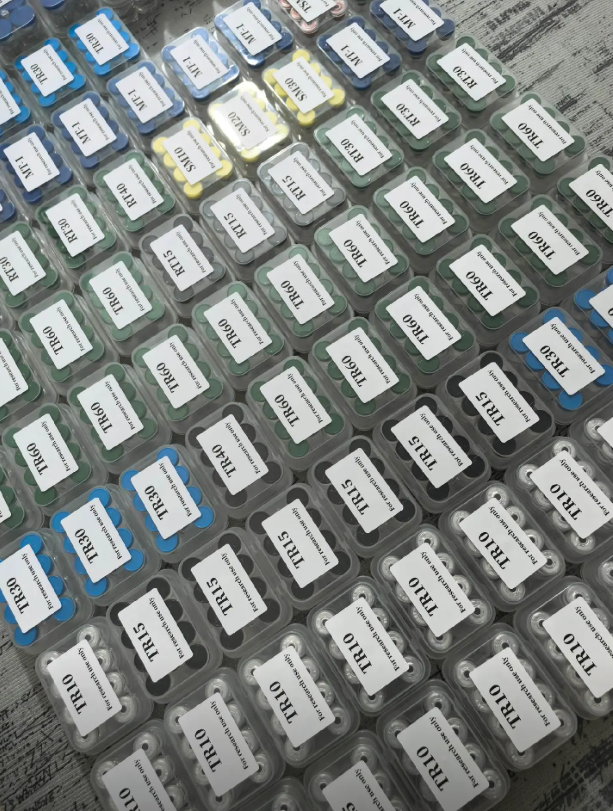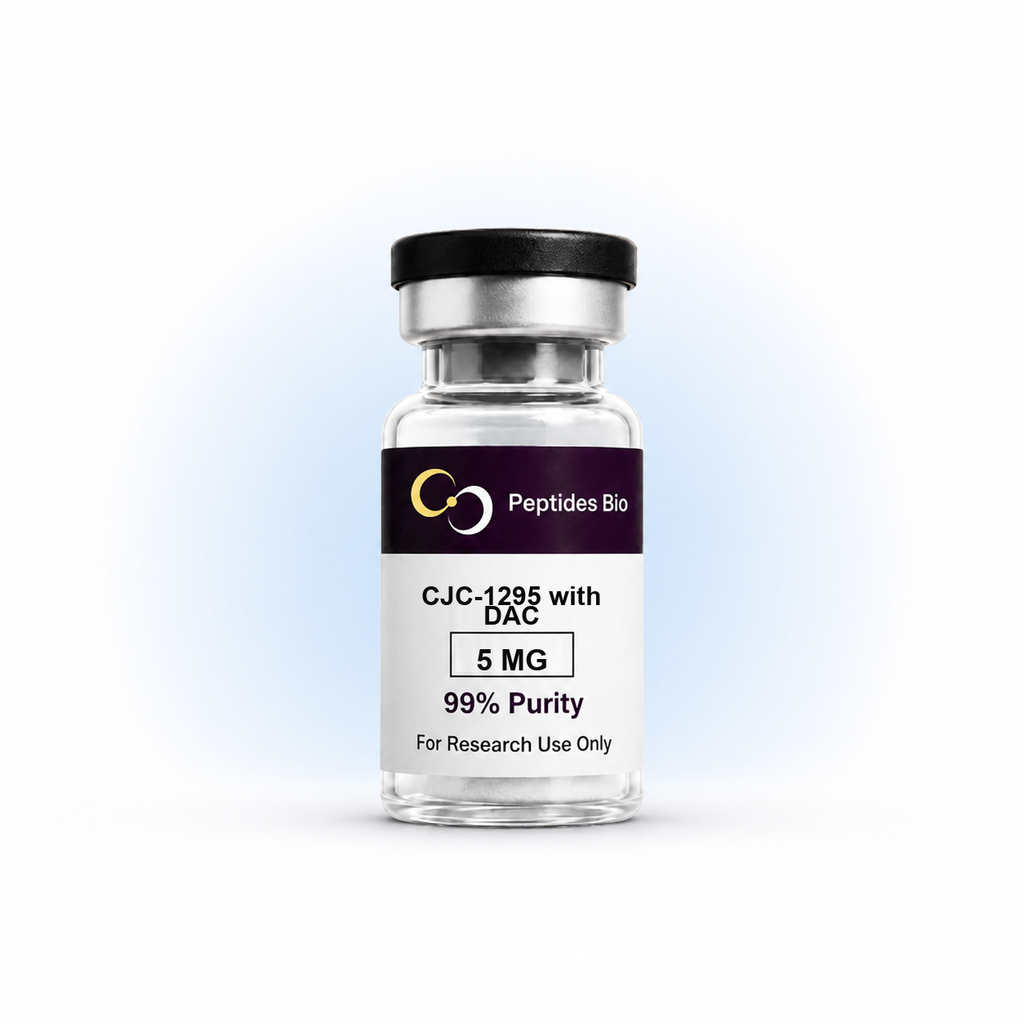
Interpreting analytical oligopeptides entails a particular process. This tutorial equips a all-encompassing analysis of key details, including molecular construction, clarification strategies, and common diagnostic routes. Significantly, it addresses elements for polypeptide longevity, preservation, and dependable appraisal. The intended participants is the expert investigator but can also assist new individuals entering the branch.
Fabricated Protein Fragment Creation: Methods and Upgrades
Carrier-fixed peptide fabrication has impacted biochemical research, allowing the creation of peptides with increasing complexity and detail. Classical methods, such as the Merrifield approach utilizing Boc or Fmoc strategies, remain foundational, but significant advancements continue to emerge. Automated synthesizers greatly enhance speed and reproducibility; however, challenges persist with racemization, incomplete couplings, and side-chain insulation. Current research explores novel linkers for improved peptide release from the anchor, new activating reagents to minimize epimerization, and orthogonal protection schemes promoting more complex modifications. Furthermore, continuous flow techniques offer a potential pathway toward high-throughput peptide manufacture, while enzymatic or chemoenzymatic approaches are gaining traction as greener alternatives for specific sequences.
- Approaches include Merrifield & Fmoc plans.
- Enhancements focus on racemization and coupling efficiency.
- Novel areas encompass continuous flow synthesis and enzymatic approaches.
Investigation Biopolymers: Monitoring and Purposes
The generation of laboratory peptides requires strict quality control measures to ensure consistency. These controls typically involve numerous analytical techniques, including HPLC for purity assessment, mass spectrometry for molecular weight confirmation, and amino acid analysis to verify sequence authenticity. Several peptide applications – ranging from drug discovery and therapeutic development to biochemical research and diagnostic assay validation – demand varying degrees of quality. For example, peptides intended for clinical use necessitate a significantly higher level of scrutiny than those utilized in exploratory studies. Ordinary applications encompass mimicking protein structure and function, designing novel enzyme inhibitors, and developing targeted delivery systems. Furthermore, the increasing field of peptide therapeutics is driving innovation in peptide chemistry and necessitates improved methods for large-scale peptide synthesis with consistent quality characteristics.
- Processes: HPLC, Mass Spectrometry, Amino Acid Analysis
- Clinical Roles: Drug Development, Enzyme Inhibition, Targeted Delivery
- Indices: Purity, Molecular Weight, Sequence Authenticity
Cold-dried Peptides: Retention, Depositing, and Reintegration
Vacuum drying, also known as freeze-drying, represents a crucial approach for the persistent preservation of peptides. This process essentially removes water from peptide mixtures, resulting in a solid that is significantly more solid to degradation compared to its hydrated state. Proper storage conditions are paramount; lyophilized peptides should be maintained at cool temperatures, ideally between -20°C and -80°C, within an airtight crucible to minimize exposure to moisture and oxygen. Reconstitution involves the careful addition of a compatible solvent – typically sterile water or a buffer solution – to the lyophilized powder. The choice of solvent relies upon the peptide’s properties and intended application, with gentle swirling often preferred over vigorous mixing to prevent aggregation. A slow, gradual dissolution is generally endorsed ensuring complete hydration and avoiding any potential precipitation.
- Factors impacting reconstitution include solvent pH and ionic strength.
- Storage holders must be properly sealed and protected from light.
- Lyophilized peptides are highly susceptible to moisture damage.
Certain Significance of Exploratory Biomolecules in Pharmaceutical Creation
Research peptides are significantly materializing as vital tools in the contemporary drug innovation process. Their notably small size, specific chemical structure, and ability to interact with organic targets at a specific level offer paths for generating novel therapeutic agents. At first, peptides were often viewed as troublesome drug candidates due to their weak bioavailability and propensity for enzymatic degradation; however, advancements in peptide chemistry and formulation techniques are countering these traditional limitations. Now, they serve not only as leads for small molecule drugs but also as viable candidates themselves, particularly for targeting complex diseases where conventional approaches have verified less effective.
Realizing Created Peptides: Structure & Effectiveness
Built peptides represent a particular increasingly critical tool in therapeutic study. These short sequences of monomers are fabricated in a scientific venue, allowing for precise control over their format and, consequently, their effectiveness. Commonly, synthetic peptides mirror components of larger proteins, enabling scientists to investigate specific protein-protein interactions or develop focused interventions.Their utility stems from several key characteristics:
- Ordered structure: The certain amino acid order is known.
- Stability: Synthetic processes ensure batch-to-batch similarity.
- Customizability: Technicians can introduce modifications to the peptide arrangement.
Maximizing Scientific Peptide Manufacturing Workflows
Efficient analytical synthetic peptides creation operations are necessary for achieving high returns and maintaining reliable quality. This requires a multifaceted framework, encompassing several key areas. Systematic selection of protein units is paramount, alongside the streamlining of coupling conditions – including coupling agent choice and reaction times. Employing carrier-fixed peptide construction often provides an asset, but necessitates complete monitoring of each cycle. Furthermore, implementing robust purification techniques, such as high-performance chromatography, is crucial to remove foreign substances.
- Supervising reaction progress with spectroscopic tools.
- Restricting side reactions and protecting group manipulation.
- Growing production while maintaining performance.
Vacuum drying Techniques for Improved Peptide Constancy
This growing demand relating to peptide therapeutics necessitates firm formulation strategies to ensure their lasting stability. Lyophilization, or freeze-drying, provides a well-established technique adopting the removal using water during vacuum conditions. Customized lyophilization cycles, incorporating cryoprotectants such as carbohydrates or excipients like mannitol or trehalose, can significantly mitigate peptide aggregation and degradation. Key parameters impacting stability include freezing rate, primary drying temperature, and pressure; careful manipulation of reduces structural changes together with amorphous collapse during the process. Additionally, rapid cooling rates often yield smaller ice crystals, minimizing damage regarding peptide structure.
- Cryoprotectant selection
- Freezing profile optimization
- Drying temperature control
Choosing such Right Biopolymer Source: Experimental vs. Lab-Synthesized
Upon acquiring peptides for an examination, always precisely evaluate all approaches: organically obtained peptides and artificially created versions. Organically sourced peptides, routinely isolated from wild reservoirs, can present a natural representation of actual peptide operation, but may be afflicted by from between batches discrepancies and spotlessness issues. Alternatively, lab-produced peptides provide superior accuracy over organization and uncontaminated status, reducing the chance of contaminant additives. Ultimately, a researcher's decision depends on specific academic intentions and capital constraints.